
The trucking industry is experiencing a tech revolution, and dispatching is no exception. Artificial intelligence (AI) is no longer science fiction in dispatch offices – it’s already embedded in daily tools and apps that carriers use.
For example, load boards now suggest freight matches based on your history. This wave of Dispatch 2.0 promises faster decisions and automated busywork, but it also has human dispatchers asking: What does this mean for my job?
In small trucking businesses and owner-operator operations across the U.S., there’s a mix of excitement and anxiety. Some see AI as a helping hand that never sleeps, while others fear it could edge them out.
In this blog, we’ll break down how AI tools are being introduced, what dispatchers fear, and what they stand to gain, for the trucking folks who keep America moving.
AI Tools Are Rolling Into Truck Dispatch
AI has begun to augment dispatching tasks in ways that were unthinkable a decade ago. Several startups and established tech companies are rolling out AI-driven dispatch platforms. These tools aim to streamline tedious workflows: scanning load boards, handling paperwork, and even making phone calls that a dispatcher would normally do manually. In theory, this means instead of spending hours refreshing load boards or faxing rate cons, a dispatcher could let AI handle those repetitive chores.
What kinds of tasks can AI-powered dispatch systems handle? The list is growing fast. New tools tout features like:
- AI route optimization (auto-calculating the best routes with live traffic and weather data)
- real-time fleet monitoring with instant alerts
- even automated document handling, where the AI reads load contracts or bills and enters data for you.
Some systems use natural language AI (like ChatGPT) to read incoming emails or parse rate confirmation PDFs and populate your dispatch management system without you lifting a finger. Others focus on smart load matching – scanning all available loads and matching them to your trucks based on location, driver hours, trailer type, and profitability criteria. The common goal is to eliminate the mind-numbing search and data entry tasks that consume a dispatcher’s day.
It’s not just startups pushing AI into dispatch. Big freight brokers and digital loadboards have been using algorithms for years to pair trucks with loads and even automate negotiations. If you’ve ever seen a load board recommend loads it “thinks” you’d like, or an app automatically reroute a driver around a traffic jam, you’ve witnessed AI in action. In fact, many dispatchers are already using AI without realizing it – like an ELD that warns of an impending HOS violation or a fuel app that points out cheaper fuel stops on your route.
So, AI isn’t arriving in the dispatch world so much as it is expanding its role from behind the scenes to front and center.
However, these AI dispatch tools are generally pitched as co-pilots rather than replacements. The developers often stress that the AI will do the grunt work and surface recommendations, but a human dispatcher still makes the final call. In practice, that means an AI might present the top 5 load options for a truck, but the dispatcher chooses the best one and confirms the booking. The AI might draft an email to a broker, but the dispatcher hits send after a quick review. Human oversight is still very much in the loop, by design.
What Dispatchers Fear About AI
Despite the optimism from tech vendors, many experienced dispatchers are eyeing these AI tools with skepticism or even dread. A common worry is job security – that AI could make one dispatcher able to handle what used to take a team, leading companies to cut staff.
Another fear factor is the potential loss of the human touch in an industry built on relationships. Dispatchers fear that relying on AI could undermine the relationships and personal reputation they’ve built with drivers and brokers, which are arguably a dispatcher’s biggest assets.
Dispatchers also question whether current AI is truly up to the task. The freight world is messy and complex. Can an algorithm really account for all the quirks that a seasoned dispatcher handles daily? Dispatchers intuitively factor in things like weather disruptions, notoriously slow shippers, driver preferences, and last-minute market swings. They worry an AI, lacking true experience or intuition, might blindly book loads that look good on paper but turn into nightmares.
With all these legitimate concerns, where does that leave AI and the true value it presents to dispatchers? We’ve got the answers for you.
What AI Can Do for Dispatchers (and Small Fleets)
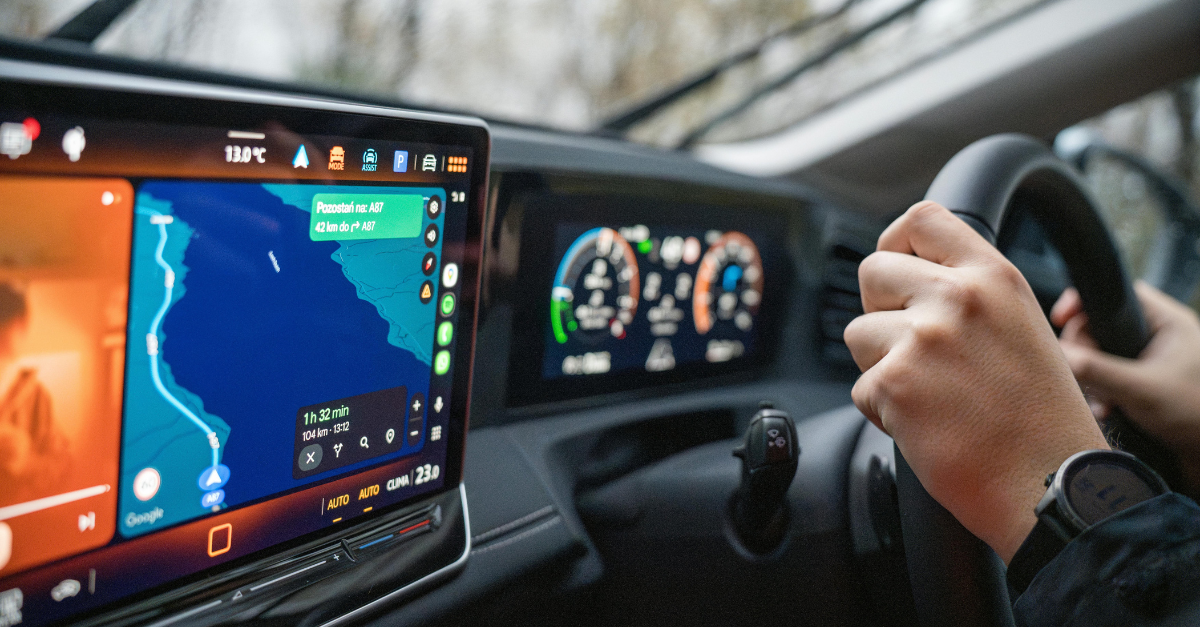
Thank goodness, it’s not all doom and gloom. Many dispatchers and fleet owners see major upsides to adopting a bit of artificial intelligence in their operations. At its best, AI can act like the ultimate assistant – one that never sleeps, never gets bored, and crunches data faster than any human. Let’s break down what dispatchers and small trucking businesses stand to gain by embracing Dispatch 2.0 tools:
- Time and Sanity Savings: Perhaps the biggest win, AI can take over the most tedious tasks that wear dispatchers down. Industry analysts note that AI is already transforming dispatcher workflows by offloading the repetitive, time-consuming parts of the job. Instead of manually refreshing load boards for hours or copying info from emails into a spreadsheet, a dispatcher can let the AI handle those basics. Start by automating the daily bottlenecks that eat up your time. The result is a dispatcher who isn’t glued to administrative work and can focus on higher-value duties (or just breathe a little easier during the day).
- Better Decision-Making Data: AI can analyze huge amounts of data in seconds, helping dispatchers make more informed decisions. For example, an AI system can monitor real-time traffic, weather, and fuel prices all at once – presenting options to reroute a truck or choose the optimal fuel stop. It can track lane rate trends and hint if a broker’s offer is below market. All that crunching behind the scenes means when a dispatcher sits down to plan, they’ve got analytic backup. It’s like having a second brain that’s purely focused on numbers and facts, so the human can focus on strategy and relationships.
- Fewer Errors and Surprises: Humans make mistakes, especially when tired or multitasking – which pretty much describes every dispatcher on a busy day. AI excels at consistency. It won’t forget to check a truck’s available hours or miss an appointment time in an email. It can also alert you to problems early. The end game is a reduction in surprises like last-minute “where’s my load?!” calls.
- Higher Efficiency and Utilization: AI can boost the bottom line for small fleets by cutting waste. One area is empty miles – running empty between loads. Smarter load-matching algorithms can reduce those deadhead miles, which translates to significant fuel and cost savings. AI can also optimize routes to save fuel and time, and schedule maintenance at ideal times to avoid breakdowns that sideline trucks. All this means a small carrier can do more with the same resources.
- Scalability for Your Business: For trucking entrepreneurs, growth often means hiring more people (or working insane hours). AI offers a way to scale up without immediately adding headcount. By automating routine tasks, one dispatcher can manage a larger fleet of trucks without the wheels coming off. If you’re an owner-operator doing your own dispatching after driving all day, AI tools can act like a back-office team member, helping you book that next load while you focus on the road. This efficiency doesn’t necessarily mean firing a dispatcher – it might mean your dispatcher can now handle doubling your freight volume, helping your business grow. Or it could free them to concentrate on building new customer relationships to bring in more dedicated freight (while the AI covers the day-to-day load hunting). In short, AI can be a force multiplier for small operations.
- User-Friendly and Affordable: There’s a misconception that AI tools are only for big companies with deep pockets or that you need to be tech-savvy to use them. That’s not the case nowadays. Many AI dispatch tools come as simple plugins or add-ons to systems dispatchers already use, running quietly in the background. If you can send an email or use a smartphone, you can probably use an AI dispatch tool – no coding or IT degree required. And when it comes to cost, these tools are often priced within reach of small firms. For owner-operators, that’s a pretty good ROI if it means one less missed load or avoiding a hefty fine due to a compliance slip-up.
All these benefits boil down to one thing: AI can make dispatchers (and small fleets) more effective and less stressed. By handing off the grunt work to algorithms, dispatchers get to spend more time on the parts of the job that truly add value – like solving exceptions, talking to drivers, and planning for growth. The key is finding the right balance, where the technology handles the heavy lifting and the humans handle the finesse.
Will Dispatcher Jobs Disappear, or Evolve?
This is the million-dollar question on everyone’s mind. With AI automating so much, are human dispatchers on the road to extinction? From all the evidence we’ve gathered, the answer leans toward evolution, not extinction.
AI is set to change the dispatcher’s role, but it’s unlikely to outright eliminate it – especially for small and mid-sized operations where human touch is crucial.
First, it’s important to realize that AI replaces tasks, not entire roles. Dispatchers wear many hats – they’re problem-solvers, customer service reps, negotiators, and sometimes therapists to drivers having a bad day. An AI might be great at crunching data or flagging issues, but it’s not negotiating a delicate situation with a receiver or earning a driver’s trust. Those human elements are irreplaceable in dispatching.
What we’re likely to see is dispatchers shifting toward oversight and exception management, while AIs handle the routine baseline. That means a dispatcher’s day might involve supervising the AI suggestions, double-checking anything that looks off, and jumping in when there’s an unusual case the AI isn’t equipped to handle. In a way, the dispatcher becomes an air-traffic controller, watching the automated systems do their thing and intervening as needed to keep everything running smoothly.
Moreover, dispatchers will still be key decision-makers. Think of AI as offering a menu of options – say, three load choices or two route alternatives – but a person will decide which option aligns best with business priorities or driver needs. The human dispatcher remains essential for judgment calls, building relationships, and handling the curveballs. The AI might tell you the optimal route, but if your driver calls in sick or a customer adds a last-minute stop, it’s the human who reworks the plan on the fly. Those “exception” situations are where dispatchers will continue to shine.
Now, this is not to say nothing will change in terms of job numbers. It’s possible that large companies will need fewer dispatchers per truck, or that the role will blend into other roles (like a single person overseeing dispatch and fleet analytics together). But for small trucking outfits and owner-operators, dispatching often isn’t a full, separate department anyway – it’s part of the many hats one person wears. AI could actually make that person’s life easier rather than put them out of work.
Bottom line: Dispatchers aren’t going away, but the job is definitely changing. The role is shifting from one of manual load hunting and data entry to one of strategy, oversight, and relationship management. The dispatchers of tomorrow (and essentially, today, in many cases) will be those who can leverage AI as a tool – using it to be super-dispatchers that handle more trucks with greater ease, rather than fighting against it or being replaced by it. For those willing to adapt, AI can actually elevate the dispatch profession.
Embracing Dispatch 2.0 as an Owner-Operator
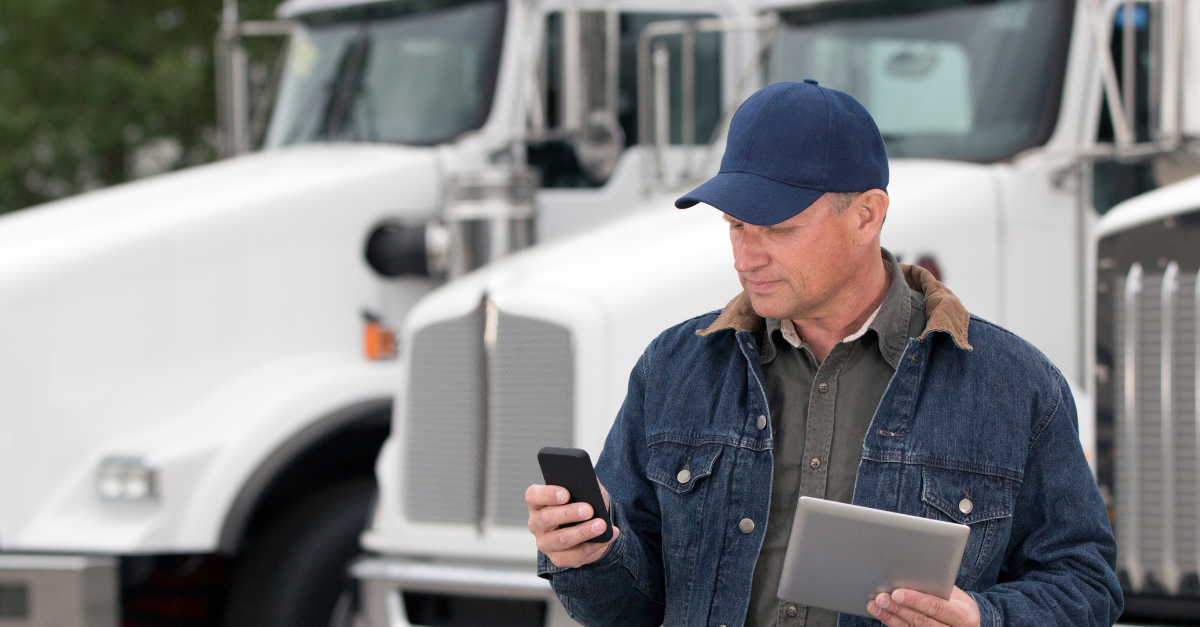
For owner-operators and small fleet owners, the idea of Dispatch 2.0 might sound both intriguing and intimidating. The key is to approach it as an evolution of your dispatch process, not an overnight revolution. You don’t have to hand over the keys to a robot dispatcher and walk away. Instead, you can start small – maybe use an AI-based tool to help pick loads or manage paperwork – and see how it complements your workflow. That way, you build trust in the system gradually.
Remember, at the end of the day, trucking is a people business. Shippers and drivers alike appreciate a personal touch, and no algorithm can shake a hand or calm a nervous customer on the phone. AI can crunch numbers and spit out recommendations, but it’s the human dispatcher who builds trust and reputation. If you’re a small business, you likely win loads because customers know you by name and drivers stay because you treat them right. Those human-to-human aspects don’t get erased by software.
What AI will change are the behind-the-scenes efforts to deliver on those promises. It’s like having a tireless junior assistant: one that monitors everything 24/7, reminds you of the little things, and maybe drafts some paperwork for you – all so you can spend your energy on the big picture and the personal touches. In that sense, embracing AI in dispatching can make your operation more professional and efficient, which can impress clients, all without losing the personal small-business feel.
So, will the dispatcher job disappear? Highly unlikely. But it will shift into Dispatch 2.0 mode. The dispatchers (or fleet managers or owner-ops) who thrive will be those who pair human know-how with AI’s capabilities. Think of it as upgrading your dispatch department with a powerful new tool. Just as GPS didn’t eliminate the need for drivers but made them more effective, AI can make dispatchers more effective. The role will lean more into managing exceptions, making judgment calls, and guiding the business strategically – with AI handling the heavy lifting in the background.
In conclusion
AI is changing trucking dispatch in big ways, but it’s not an enemy. For U.S. dispatchers and small fleet owners, it’s an opportunity to cut out drudgery and focus on what really matters: keeping trucks moving profitably and customers happy. Dispatch 2.0 isn’t about humans versus machines; it’s about humans and machines working together to haul freight smarter. The tech is here to stay, so the best approach is to harness it to your advantage – and keep on truckin’ with a little extra AI horsepower under the hood.