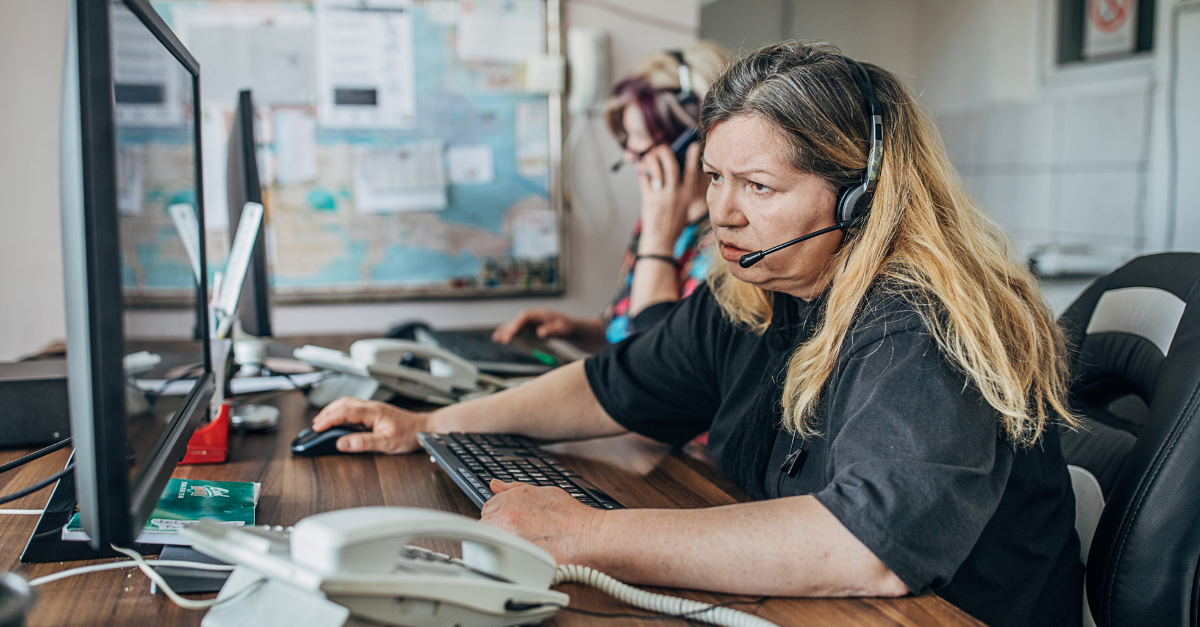
Owner-operators don’t just drive; you run a business from the driver’s seat. That means you’re constantly switching between wheel time and office time: searching loads, negotiating, scheduling, tracking detention, sending paperwork, invoicing, following up… then doing it again tomorrow.
Most articles on “why you need a dispatcher” focus on the obvious benefits (more time, better loads, less admin). They’re not wrong.
TrueNorth’s perspective is slightly different: a dispatcher isn’t just a helper, it’s a profit system. The real value is consistency: keeping your truck moving smartly, preventing bad weeks caused by one missed reload, one sloppy rate con, or one compliance/paperwork mess-up. And in 2026, “dispatcher” doesn’t have to mean a traditional human-only model. It can be a hybrid of tools + automation + human support, depending on your stage and goals.
What does a dispatcher do for an owner-operator? (the short answer)
A dispatcher typically helps you find and book loads, communicate with brokers/shippers, plan reloads, manage appointments, handle paperwork, and support invoicing/compliance so you can spend more time driving and less time running back-office operations.
9 reasons owner-operators should have a dispatcher (the long answer)
1. You buy back time (and reduce mental load)
Most owners don’t quit self-dispatching because they can’t do it. They quit because it’s a second full-time job. Dispatch support shifts the hours spent searching/booking/confirming into a role built to do exactly that.
If you track your “office hours,” many owner-operators are shocked by how many weekly hours go to phones and tabs. A dispatcher (human or virtual) is often the easiest way to reclaim that time.
2. Better freight selection (not just “more loads”)
It’s not about booking anything. It’s about booking the right freight for your truck, your lanes, and your business rules. Your dispatcher should protect your standards: minimum RPM, max deadhead, pickup/drop constraints, and “no-go” brokers. If they can’t articulate your rules, they’re not dispatching, they’re clicking.
3. Negotiation leverage and consistency
A good dispatcher negotiates all day. You negotiate between pre-trip, traffic, and a receiver appointment. That difference matters. Even small wins (accessorials, detention, better appointment windows, slightly higher rate) compound.
4. Deadhead reduction through reload planning
Dispatchers who think ahead can line up reloads earlier and reduce downtime between loads. The KPI isn’t “miles booked.” It’s paid miles vs. empty miles and revenue per day/week. Dispatching is schedule engineering.
5. Paperwork doesn’t kill profit anymore
Ratecons, PODs, lumper receipts, detention requests, billing follow-ups — this is where money leaks. If you’ve ever lost detention because it wasn’t requested right, or got paid late because paperwork didn’t go in immediately, you already understand why dispatching is so critical. Many dispatchers charge either a flat fee per load or a percentage of the load revenue; percentages often fall around the low single digits up to ~10% depending on the model and market, which might be a savings for you overall if you’re not as organized as you’d like.
6. Cash-flow stability (especially when weeks get tight)
Operators concerned about timely payments should never turn away additional invoicing support. Whether your dispatcher handles invoicing directly or simply keeps documentation clean and on-time, it reduces the odds of delayed pay.
7. Fewer “bad decisions under pressure”
When you’re staring at an empty trailer and bills due, it’s easy to take freight you shouldn’t. A dispatcher adds an accountability layer: lane discipline, broker vetting, appointment feasibility, and “does this load actually make sense after deadhead and tolls?”
8. A calmer, more professional broker experience
A dispatcher can be the steady communicator who confirms details, resolves small issues before they become big ones, and keeps relationships healthier. That matters when you want repeat lanes.
9. You stay in control, if it’s structured correctly
Good dispatching isn’t forced dispatch. Just like with AI, you should work in coordination with your dispatcher, not in difference to.
The goal is support without dependency. You should always know your rate, your broker, your pickup/drop, and your margins, not matter your business changes.
.jpg)
Dispatch legality and “fake dispatch”
If a service starts acting like a broker without authority, it can expose you to risk and drama. FMCSA has issued guidance clarifying broker vs bona fide agent issues and how dispatch services may fall into different categories depending on what they do. If someone is negotiating directly with shippers, handling money in certain ways, or otherwise operating beyond carrier support, you want to understand whether broker authority is required.
When a dispatcher is worth it (and when it’s not)
A dispatcher is usually worth it if…
- You’re losing hours weekly to load hunting and paperwork
- Your deadhead is creeping up
- You’re missing detention/TONU opportunities
- Your weekly revenue swings wildly based on “what you could find”
- You want to scale from 1 truck to 2–5 trucks without burning out
You might not need one if…
- You love self-dispatching and consistently outperform market averages
- You have stable direct freight and minimal broker work
- Your lanes and customers are repeatable and low-maintenance
“Dispatcher” can mean human, software, or hybrid
Traditional dispatch services can be excellent, but they’re not the only path. TrueNorth’s view is that modern dispatching is a toolkit:
- Vet any dispatch partner like a business extension: pricing, transparency, contract terms, experience, and red flags.
- Consider tech-enabled dispatching for speed and scale: TrueNorth’s virtual dispatcher, Loadie, as an AI agent that can contact brokers, search loads based on your criteria, and streamline broker communication.
- Use tools that help you run the business: Profit tools, invoicing, doc management technology can help so dispatching doesn’t become a black box.
In other words, the best setup for many owner-operators is keeping decision-making with you, while offloading repetitive work to the right mix of dispatcher + software.